Transportation & Infrastructure
States Continue to Raise Gas Taxes While Congress Fails to Act
May 15, 2019 | Bill Kramer
August 16, 2017 | Bill Kramer
States are still struggling to scrounge up the money to fully fund transportation infrastructure investment, which is why 22 states have raised state fuel taxes since 2012. But most transportation policy experts and state lawmakers say that relying on gas tax revenues to fund infrastructure is not a long-term solution. Although gas taxes were once a reliable, efficient revenue source, they've stagnated and lost much of their effectiveness over the past few decades.
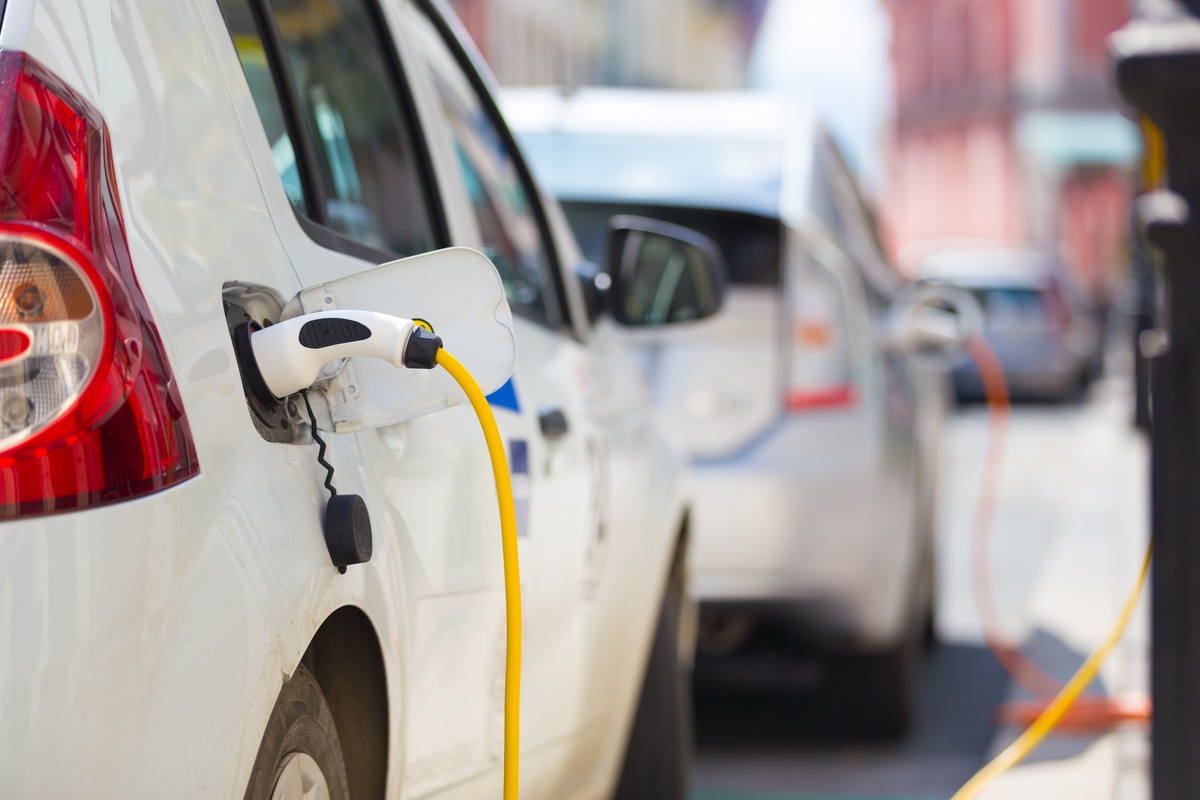
Today, fixed per-gallon gas tax rates in most states are not indexed to inflation, and despite a recent uptick, states are still reluctant to raise unpopular gas taxes to full-funding levels (Congress hasn't raised the federal gas tax for nearly 25 years. With inflation deteriorating the purchasing power of gas tax revenues each year, other factors contributing to the gas tax's growing ineffectiveness include more fuel-efficient vehicles, thanks to federal Corporate Average Fuel Economy (CAFE) standards, and consumer demand for fuel efficiency putting pressure on manufacturers. Finally, although electric and hybrid cars still make up a small fraction of overall vehicles, they're growing in popularity. These vehicles pay little, if any, gas taxes, yet still cause the same wear and tear on the roads as similarly-sized gas-powered vehicles. State lawmakers see an opening with this last factor: Enacting special fees for electric and hybrid vehicles to pay their fair share to maintain and build state roads.
Seventeen States Have Passed Special Fees for Electric Vehicles
Lawmakers in 17 states have passed legislation to charge electric vehicles special fees to fund maintaining and constructing roads and bridges. Seven of those states also apply fees on hybrid vehicles, which use both electric and gas power. For a full listing and details of these state laws, see our chart here.
These special fees range from a high of $200 (Georgia and West Virginia for electrics) to a low of $30 (Oklahoma and Michigan for hybrids) per year. Fees for electric-only vehicles are generally higher than those for hybrid vehicles, presumably because hybrid vehicles still require gasoline and contribute to gas tax revenues (albeit to a much lesser extent than traditional gas-powered vehicles).
Owners of electric (and sometimes hybrid) vehicles are required to pay these fees on an annual basis in most of these states. New legislation in South Carolina calls for a biennial fee, while the Wyoming Attorney General's Office has interpreted its state law as requiring a one-time fee instead of an annual fee.
Fees in many of the states that passed legislation this year won't go into effect until 2018. California's fee on electric vehicles won't go into effect until 2020 and will only apply to model year vehicles 2020 or later.
May 15, 2019 | Bill Kramer

April 11, 2019 | Bill Kramer

March 21, 2019 | Bill Kramer