
Local Policy, Employment & Labor, Health Care & Wellness, Energy & Environment
May Local Policy Highlights: Drug Take-Back Programs, Labor Policy, and Plastic Straw Bans
June 13, 2019 | Matt Crawley, John Lunde
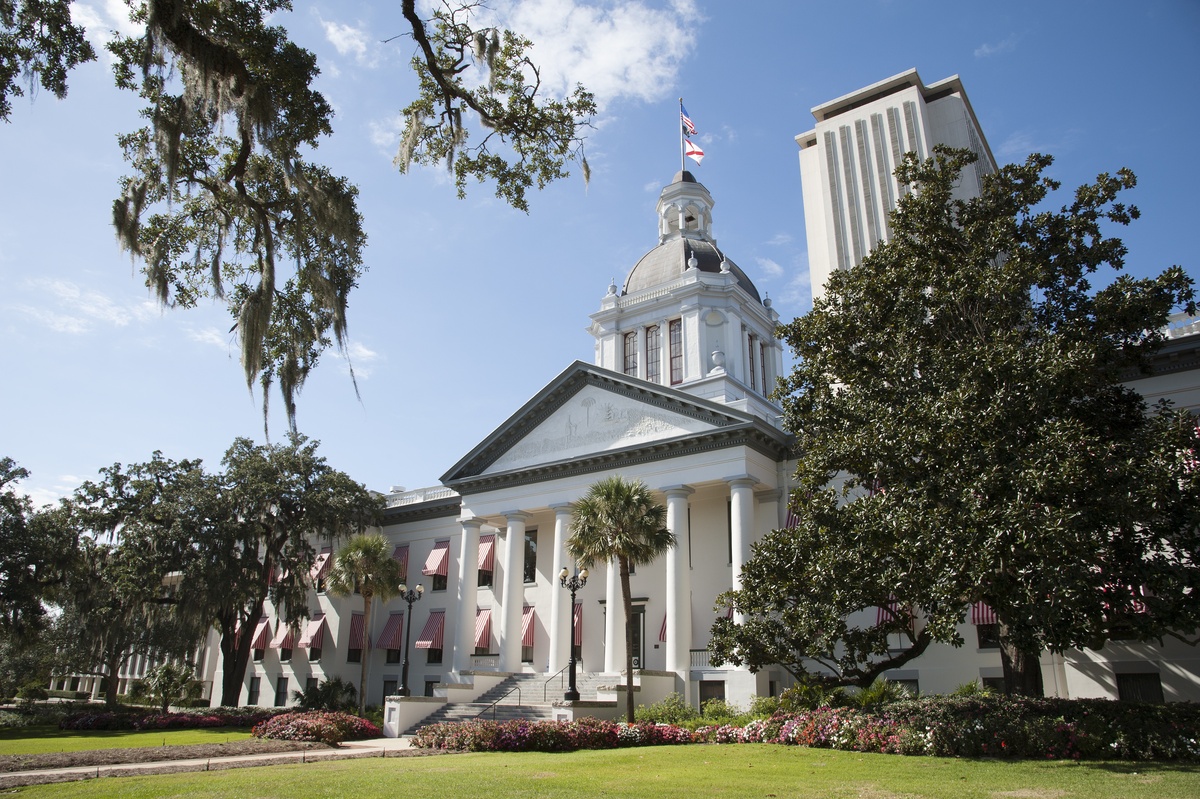
MultiState's Local Policy Digest explores the top legislative developments from municipalities across the U.S.
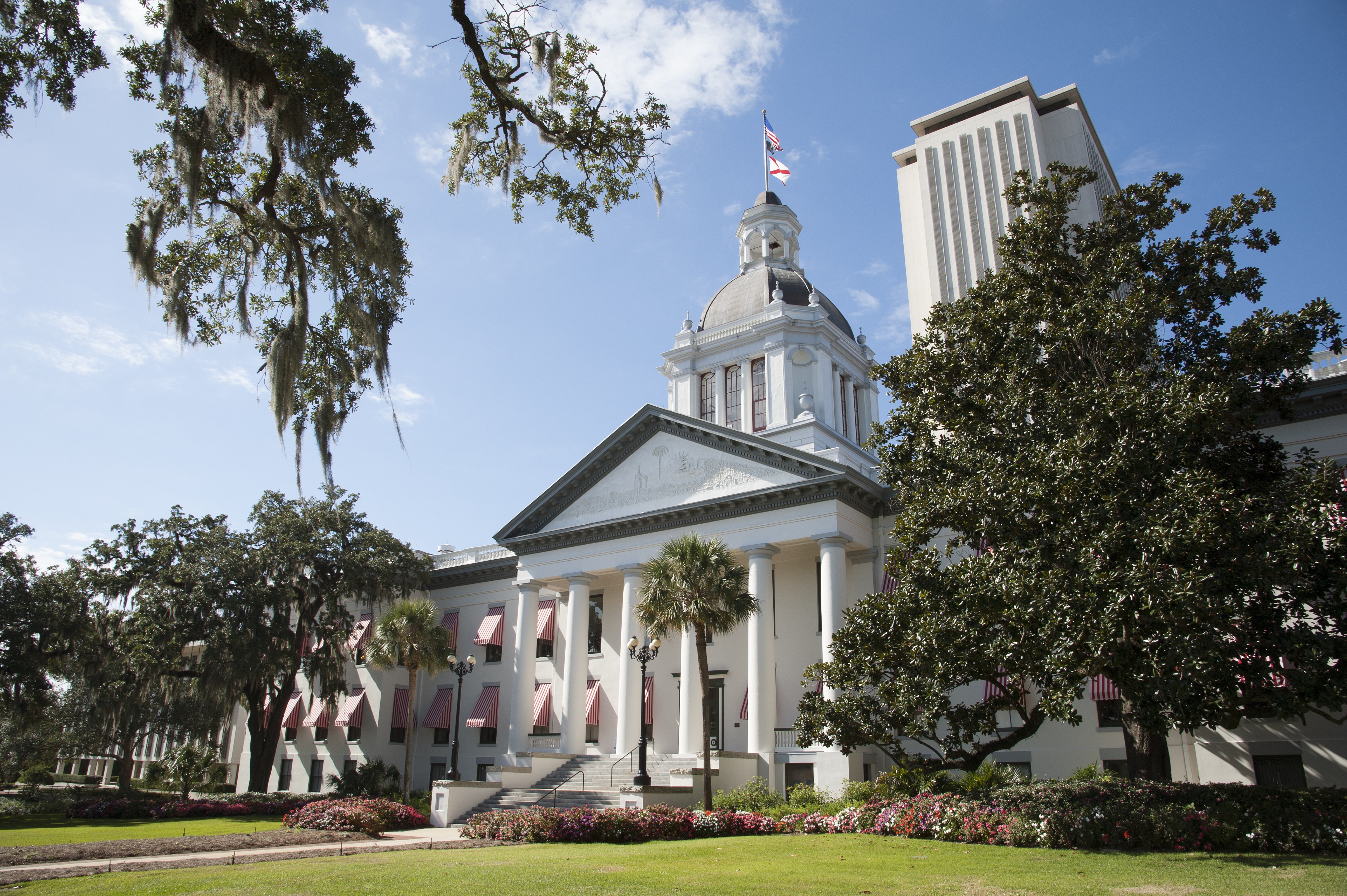
Local officials in Florida are considering local gun control measures in defiance of state law. In the wake of the recent shooting at Marjory Stoneman Douglas High School, local lawmakers in Florida are scrambling to find ways to prevent future school shootings, even if it means they could be fined or fired.
Florida state law prohibits local officials from enacting municipal firearms ordinances and regulations and states that any official found to have willingly violated the law will be fined $5,000 and terminated from their elected position. Additionally, it forbids the use of public funds for the defense of any official found to have violated the
But despite the financial and professional risks, some local officials are determined to take action. So far, we've identified
The Broward County Commission — the county's legislative branch — assembled for its meeting on Wednesday and unanimously passed a slew of legislative items, including hiring a third-party consultant to investigate the shooting and passing a motion directing the city attorney to examine the city's legal options for pursuing local gun control measures.
Additionally, the commission passed resolutions calling on the Florida legislature and the federal government to consider gun policies like establishing a statewide ban on assault weapons, a gun registry, and earned permit and universal background check systems. The commissioners are also petitioning the state to fund a new freshman wing at Marjory Stoneman Douglas High School, as well as a memorial to the 17 victims.
Two additional local gun control measures were also passed on Wednesday night in Parkland's neighbor city, Coral Springs, and Coral Gables. Following a lengthy appeal to action by Coral Springs Mayor Skip Campbell, City Commissioner Dan Daley introduced an ordinance to “limit the sale and transfer of large-capacity gun magazines” within city limits. Daley's ordinance will accompany the mayor's own action, which would entail a public vote on whether or not to ban assault weapons locally, as part of the 2020 ballot.
In Coral Gables, Mayor Raúl Valdés-Fauli proposed an oral ordinance (50:10:30) “banning the sale of semi-automatic and assault rifles” within the city limits. The vote was unanimously in favor of the ordinance, which will go on to be formally drafted before it is
These actions follow a Monday night vote by the Weston City Commission passing a resolution (p. 25) “directing the city attorney to file a lawsuit seeking a declaration that the provisions punishing elected officials set forth in 790.33 Florida statutes for violating the preemption related to the regulation of firearms and ammunition are invalid and inviting other local governments to join the lawsuit.”
For now, the actions of these local bodies are largely symbolic, and they will surely face obstacles to passage as the processes continue. Broward County Mayor Beam Furr put it in simple terms: “We’ve had our hands tied and we are trying to untie them.”
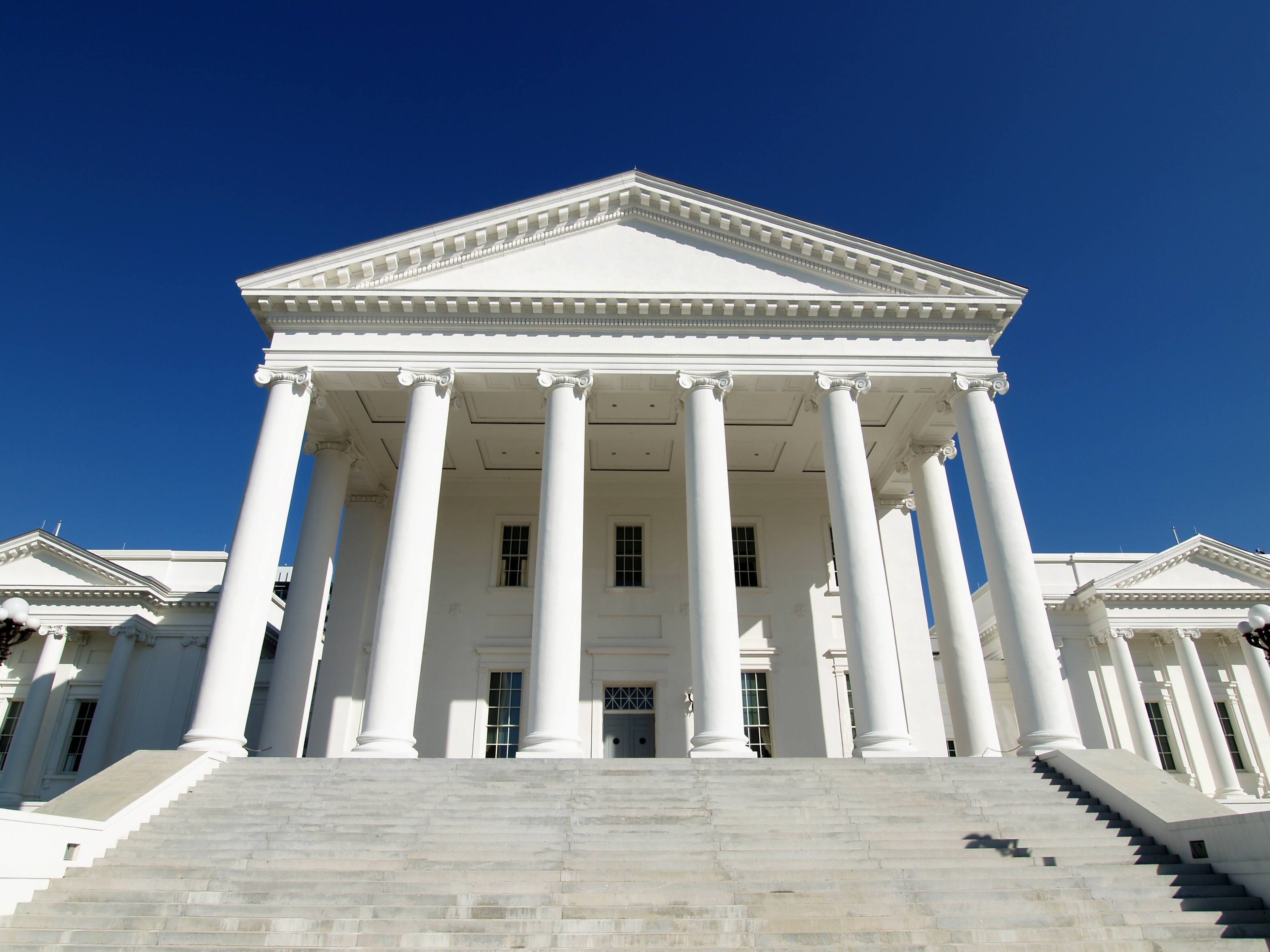
Charlottesville, Virginia, codifies event-permitting procedures in response to violence at “Unite the Right” rally. In response to the violence at last summer’s “Unite the Right” rally, which left one person dead and others injured, the Charlottesville City Council approved an ordinance that sets forth event-safety regulations and
The ordinance (pg.4) also contained three amendments: (1) A list of prohibited items such as stun guns, pellet guns, and knives; (2) an increase in the number participants required for groups applying for an event permit, from 10 to 50; and (3) a reduction to the originally proposed number of days required for groups applying for an event permit from 60 to 45 if the event requires a street closure.
Although the ordinance was ultimately passed by a 4-1 vote, it faced strong criticism from city council members and local residents. Mayor Nikuyah Walker criticized the ordinance’s provision raising the required number of participants from 10 to 50, saying it could have an inverse effect on local residents rather than on future hate group rallies.
However, some residents argued that the ordinance did not go far enough. Bradford Slocum, a local resident, said the new regulations would not be enough to protect citizens from the kind of violence seen at past events. “The people who live and act in our community and those that come in from outside to intentionally engender terror, cause violence under the guise of free speech have proven time and time again they will come regardless of permit,” said Slocum.
Councilor Mike Signer argued that while the ordinance isn’t perfect, it is the most balanced approach to the issue. “This would give the city the ability to deal with events like that [white nationalist rallies] and to regulate them,” said Signer. “Free speech and permitting is a matter of balances. . . . And it’s our job to set the rules with the balances we can strike that can be defended in court.”
The ordinance was passed on February 20 and the legislation took effect immediately.
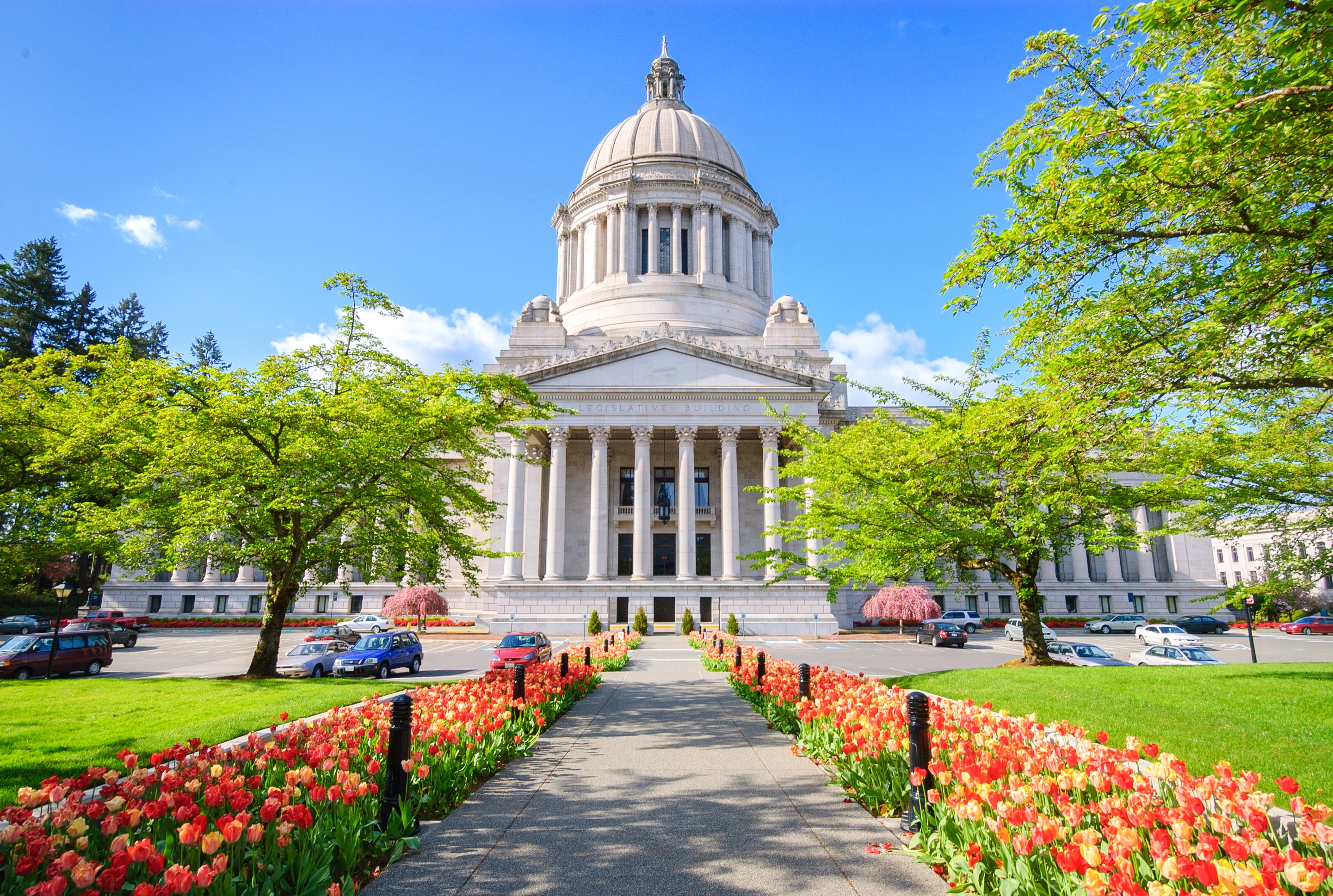
The Spokane City Council in Washington aims to regulate certain types of reality TV shows within city limits. Earlier this week, the city council held the first reading of an ordinance that would restrict television entertainment companies from profiting from filming people during interactions with law enforcement.
The ordinance (pg.143) was introduced by City Council President Ben Stuckart, who said that television shows such as A&E’s “Live PD” were detrimental to the city’s image and violated residents' privacy. “We just want to make sure people are giving their permission if they’re going to be on those shows, so we don’t ban them and we’re not trying to hide anything,” said Stuckart.
Specifically, the legislation would require film producers to acquire a license to work in the city. Additionally, it would require written consent from all those filmed and notification that mentally incapacitated individuals are incapable of giving their consent.
The proposed ordinance has already been met with backlash from the Spokane County Sheriff’s Office (SCSO), which said that shows like “Live PD” provide more transparency for the community. “Is it wrong to show more about what and how law enforcement does their jobs? Do you want more transparency? More information? Or less?” said SCSO in a post on Facebook, though SCSO is currently not producing new episodes for “Live PD.”
The council will continue to debate the legislation until next week’s final meeting, where citizens and community members will have the opportunity to voice their opinions during a public hearing. If passed, the ordinance will go into effect immediately.
MultiState currently tracks more than 3,700 cities, towns, and counties. Additional information about our Local Tracking Service is available here.
June 13, 2019 | Matt Crawley, John Lunde

May 9, 2019 | Matt Crawley

March 22, 2019 | Matt Crawley, John Lunde