
Local Policy, Employment & Labor, Health Care & Wellness, Energy & Environment
May Local Policy Highlights: Drug Take-Back Programs, Labor Policy, and Plastic Straw Bans
June 13, 2019 | Matt Crawley, John Lunde

Chandler City, Arizona, is the first U.S. jurisdiction to pass zoning laws for autonomous vehicles. In a historic move, the Chandler City Council voted earlier this month to become the first U.S. city to amend its zoning laws to accommodate an increase in ride-sharing and autonomous vehicles. The amendments are based on predictions of a future where ride-share and autonomous driving taxis replace traditional modes of transportation, decreasing personal car ownership and needed parking
The ordinance tackles these problems by enacting two proposals that reduce minimum parking space requirements based on changes in demand, while simultaneously encouraging businesses to install passenger loading zones and creating standards for their construction. Under the first proposal, property owners and developers could conduct studies on their parking demand and submit them to the city, which would have the option to reduce the property's parking requirement by up to 40 percent.
Under the second proposal, the city would also encourage new developments to install passenger loading zones as part of their site plans. Additionally, existing properties would have the option to petition the city to reduce their parking by 10 percent for each passenger loading zone installed in ratio with a property's size and use, up to 40 percent.
Chandler Mayor Jay Tibshraeny contends that the amendments will be good for the city because they could free up property for other purposes and strengthen the city's cultivated brand of being “the Innovation and Technology Hub of the Southwest.” The ordinance takes effect June 9.

Omaha passes an ordinance requiring personal information database for secondhand purchases. Earlier this week, city councilmembers in Omaha, Nebraska, approved an ordinance aimed at reducing the amount of stolen property sold for cash within the city. The ordinance would require secondhand stores in the city to photograph and fingerprint customers looking to sell items for cash. Additionally, the ordinance would require stores to photograph the items being sold and log them into a third-party database.
Supporters of the legislation hope the new law will help police catch thieves and return stolen property to their rightful owners. Omaha Mayor Jean Stothert celebrated the ordinance’s passage and hailed the law’s usefulness for law enforcement. “I think it’s a tool that will help the police,” said Stothert. However, city councilmembers who voted against the measure cited its adverse effects on small businesses. Under the new law, some stores would be required to wait up to 14 days before being allowed to sell items.
While the ordinance passed its final reading at the city council’s meeting on May 22, the new law won’t go into effect until January 1, 2019.
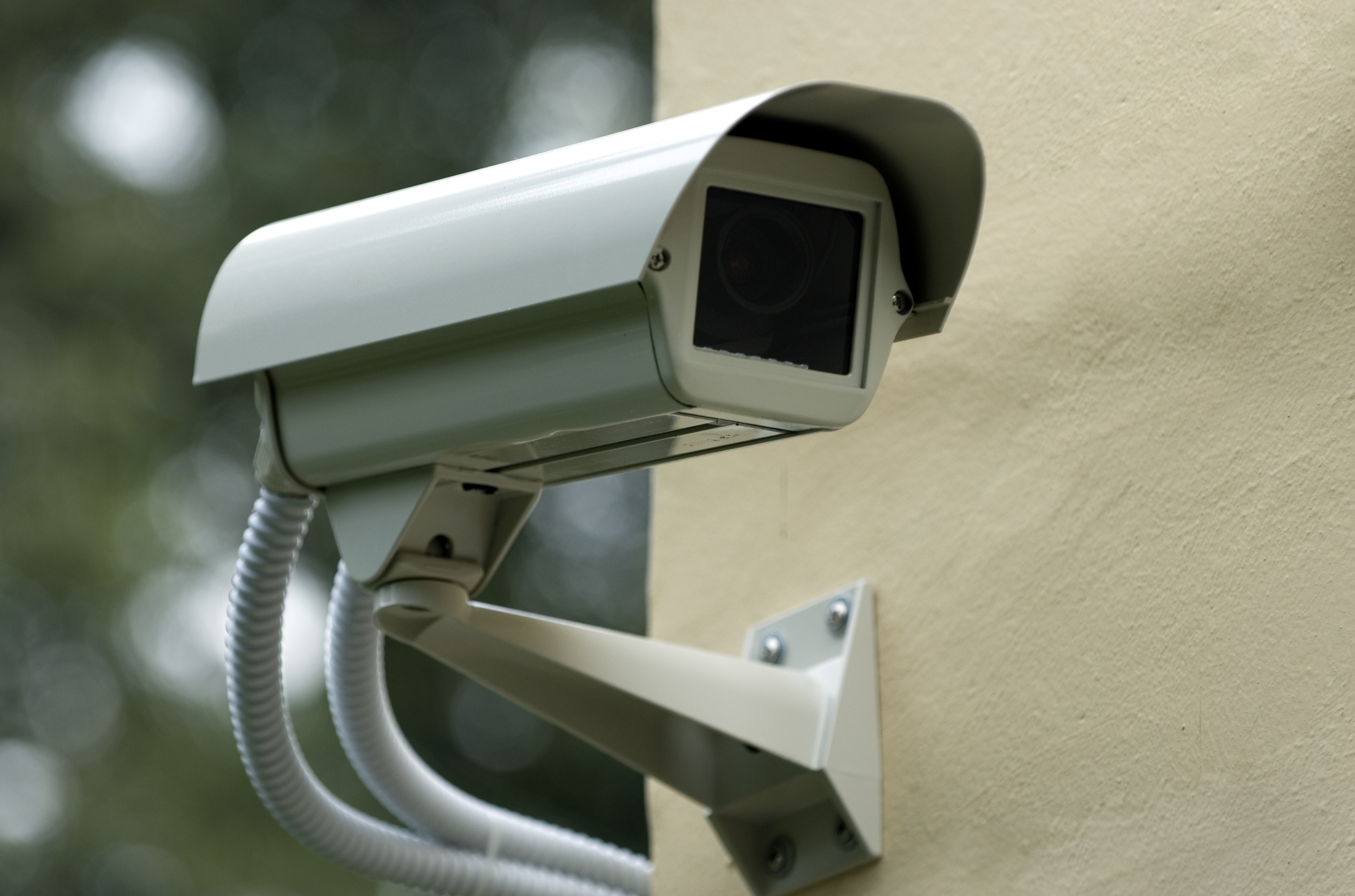
Oakland passes the country's strongest surveillance oversight law. Earlier this month, city councilmembers in Oakland, California, successfully passed a new ordinance that would strictly regulate the city's use of surveillance technology. The ordinance will require Oakland law enforcement agencies to submit an annual surveillance report to the city's Privacy Advisory Commission, outlining information gathered from surveillance technology. Additionally, law enforcement agencies will be required to submit a surveillance impact report with details of desired plans to implement new surveillance technology. The ordinance also prohibits non-disclosure agreements with surveillance vendors and strengthens language protecting whistleblowers from retaliation.
The new regulations' supporters celebrated their passage as a win for increased transparency between local police and communities. Matt Cagle, an attorney for the American Civil Liberties Union, asserted that the Oakland ordinance gives community members,
Oakland is not the first California jurisdiction to pass regulations on surveillance activities. California cities Berkeley and Davis previously passed laws that hold law enforcement more accountable for surveillance initiatives. The Oakland City council approved the ordinance unanimously. Since its final vote on May 15, the ordinance has gone into full effect.

June 13, 2019 | Matt Crawley, John Lunde

May 9, 2019 | Matt Crawley

March 22, 2019 | Matt Crawley, John Lunde