Legislative Insights
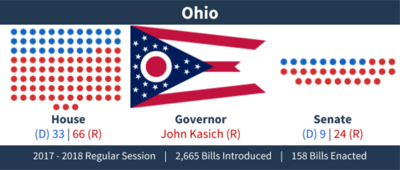
Legislative Session Review: Ohio
January 11, 2019 | Nathan Devers
.png)
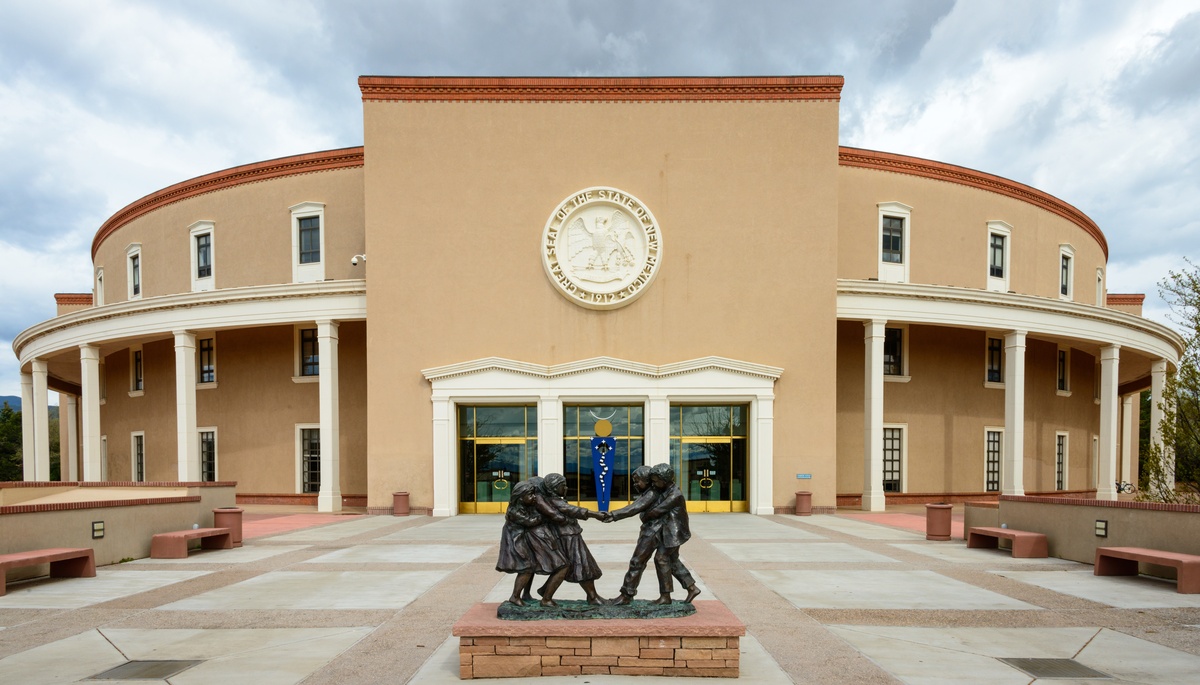
New Mexico adjourned its 2018 legislative session sine die February 15, and Governor Susana Martinez (R) finished acting on the bills sent to her desk on March 7. A rebound in oil and gas tax revenue eased financial pressure in Santa Fe this year, allowing lawmakers to clear a bipartisan $6.3 billion state budget, which passed the House and the Senate with near unanimous support.
New Mexicans will go to the voting booths November 6 to choose multiple state and federal officials. Governor Martinez will be completing the second of her limited two-terms in office and four Democrats, including U.S. Rep. Michelle Lujan Grisham, and one Republican, U.S. Rep. Steve Pearce, are vying to replace her in the governor’s mansion. Primary elections in New Mexico take place June 5. National and state focused politicos think Democrats have a good shot at flipping the governor's office in New Mexico this year. State Representatives in all 70 districts are also up for election in November, however, State Senators will not face the voters again until 2020.