Legislative Insights
Legislative Session Review: Ohio
January 11, 2019 | Nathan Devers
.png "West Virginia - Adjournment Graphic (1).png")
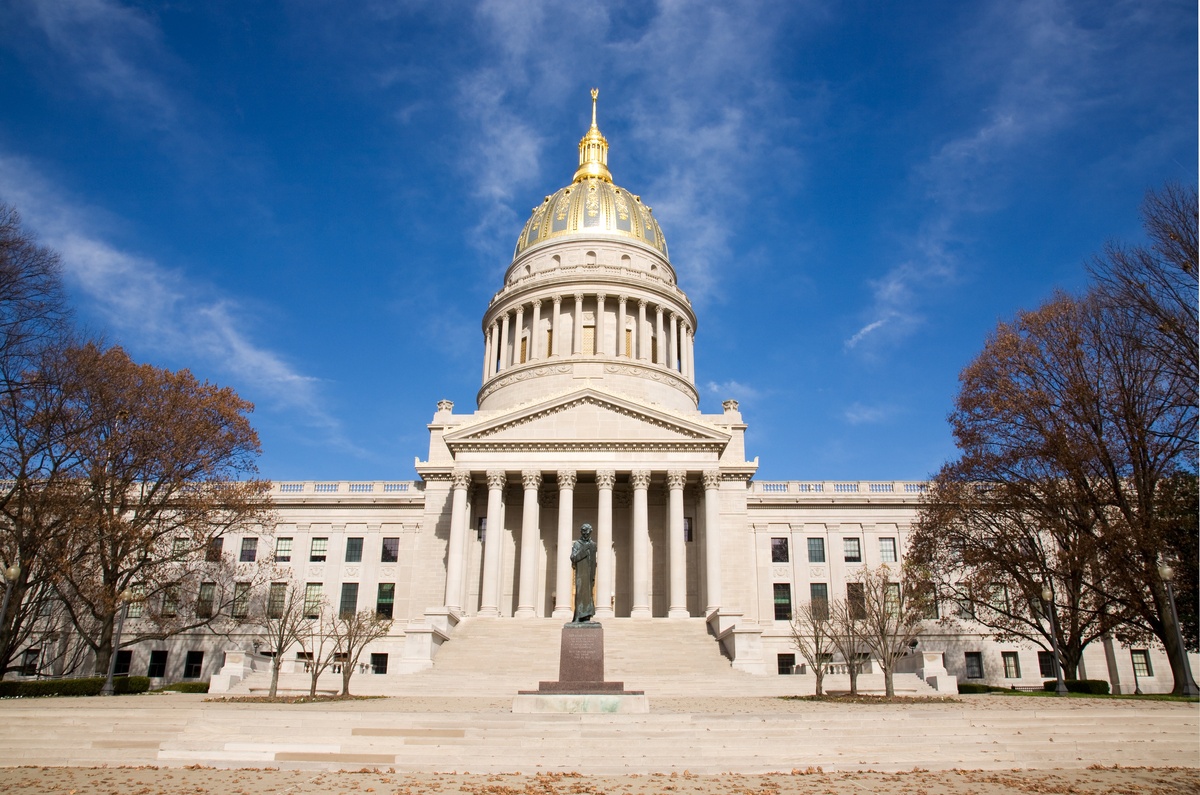
West Virginia adjourned its 2018 legislative session sine die on March 10, and Governor Jim Justice (R) finished acting on the bills sent to his desk on March 25. While passage of a five percent pay raise to end a 9-day statewide teacher strike attracted national attention, lawmakers were also able to enact legislation to update the rules for energy extraction on
Legislative Highlights
Election Preview
Governor Justice will not be on the ballot this year, having just assumed office last year, but West Virginia voters will have plenty of other decisions to make this November. U.S. Senator Joe Manchin (D) announced that he would be seeking reelection — giving a sigh of relief to national Democrats — and Republicans will hold their primary on May 8 to select his challenger.
Voters will also be deciding on Amendment 2, a ballot initiative to give the legislature the authority to reduce the budget of the judiciary. This measure sprang from a growing controversy surrounding allegations of extravagant spending by the West Virginia Supreme Court.
Finally, all 100 House seats and 17 of 34 Senate seats in the state legislature are up for election in 2018. While there are many predictions of a blue wave of enthusiasm for Democrats this November, it is unlikely that the levers of government will switch parties given the strength of the Republican majorities in both legislative chambers.